
When purchasing a Ferris wheel ride for your amusement park, it’s essential not only to consider its price but also to ensure it’s set up correctly. A ride that isn’t properly installed can lead to costly repairs, delays, and most importantly, safety risks. Ensuring your Ferris wheel is installed the right way will ensure a smooth operation for years to come. In this guide, we’ll dive into why it’s important to set up the Ferris wheel ride (колесо обозрения цена) properly, tips on setting it up, and the safety precautions you need to take. We’ll also touch upon the importance of setting up other popular rides, like a carousel ride, to maintain the overall quality of your amusement park attractions.
Why Proper Setup is Essential for Your Ferris Wheel Ride
A Ferris wheel is a significant investment, and the way it is installed directly affects its performance and longevity. Setting it up properly isn’t just about securing the kiddie ride (аттракционы для детей купить) into place—it’s about ensuring that every component, from the mechanical system to the safety features, is working as it should. Here are the key reasons why setting up a Ferris wheel correctly is crucial:
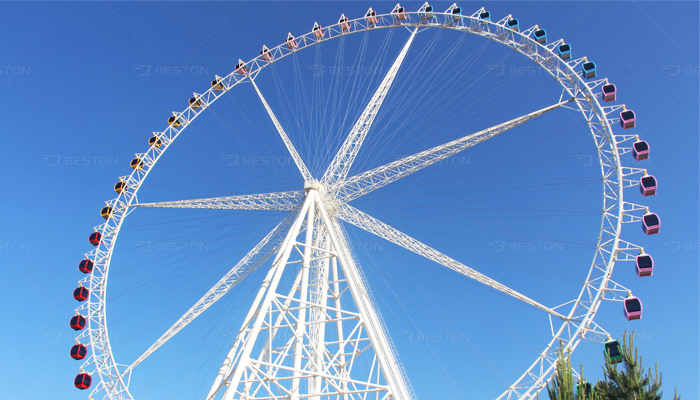
1. Preventing Malfunctions and Accidents
If your Ferris wheel isn’t installed properly, there’s a risk of mechanical failures that could lead to ride malfunctions. This can cause a safety hazard for riders and employees. For example, if the wheel isn’t securely anchored to the ground, or if the mechanical systems are incorrectly aligned, the entire operation could be compromised. It’s also important to ensure the electrical systems are properly wired and that all safety features, such as emergency brakes, are in place and functioning.
2. Meeting Legal and Safety Standards
Every amusement ride, including Ferris wheels, must comply with local and international safety regulations. Failure to meet these standards can result in fines, legal issues, or worse—serious injuries. A well-executed setup ensures that your Ferris wheel meets all required safety measures, such as weight limits, emergency protocols, and rider restraints. For this reason, working with professionals who are familiar with industry standards is highly recommended.
3. Ensuring Longevity of the Ride
Installing your Ferris wheel correctly will prevent early wear and tear on the mechanical components. Over time, improper installation can result in misalignment, excessive wear on the gears, or damaged structural components. All of this can lead to increased maintenance costs, operational downtime, and, ultimately, a reduced lifespan of the ride. Proper setup ensures that the ride remains operational for many years with minimal maintenance requirements.
How to Set Up Your Ferris Wheel Ride Correctly
Setting up a Ferris wheel ride (детское колесо обозрения) involves a series of steps, each critical for ensuring the ride’s success and safety. Below are some general steps for installing the ride correctly:
1. Foundation and Anchoring
The foundation is one of the most critical aspects of installing a Ferris wheel. The ride’s base must be securely anchored to the ground to prevent any shifting or movement during operation. A strong and stable foundation is necessary to support the entire weight of the ride, including passengers and the mechanical system. Typically, the foundation requires concrete footing to ensure long-term stability.
2. Assembly and Structural Support
Once the foundation is in place, the next step is assembling the Ferris wheel structure. This includes erecting the frame, attaching the gondolas, and installing the rotating mechanism. During this process, all components must be carefully aligned and checked for any defects. The installation of the structural support ensures that the wheel rotates smoothly and remains stable throughout its operation.
3. Electrical Systems and Controls
The electrical systems of the Ferris wheel are essential for its safe operation. These systems control the movement of the wheel, lights, and safety mechanisms. Installing the electrical components involves wiring the motor, the lights, and the emergency power systems. It’s important to ensure all systems are properly connected, tested, and protected from short circuits or electrical surges. A certified electrician should handle this part of the installation to ensure the safety and efficiency of the electrical setup.
4. Safety Features and Testing
Before the Ferris wheel is open to the public, extensive testing must be conducted to ensure all safety features are operational. This includes checking the emergency stop system, safety restraints in the gondolas, and the overall structural integrity. Conducting a full-scale test of the ride with dummy loads can help to identify any weaknesses in the setup before passengers begin to board. If everything passes the test, the ride can be cleared for operation.
Common Mistakes to Avoid During Setup
When setting up a Ferris wheel, some common mistakes can lead to complications. Here’s a list of things to avoid during the installation process:
1. Skipping Professional Help
Installing a Ferris wheel is not a job for amateurs. Even though the process might seem straightforward, improper installation can lead to serious consequences. It’s essential to work with experienced professionals who have dealt with amusement ride installations before. They understand the nuances of securing the ride, aligning components, and handling safety concerns.
2. Ignoring Manufacturer Instructions
The manufacturer’s installation manual is your best friend when it comes to setting up your Ferris wheel. Ignoring the instructions or not following them precisely can lead to installation errors, making the ride unsafe and difficult to operate. Always ensure that the installation crew follows the manual to the letter, especially when it comes to mechanical, electrical, and safety components.
3. Neglecting Regular Maintenance After Setup
Once the Ferris wheel is installed, it’s essential to continue monitoring and maintaining it to ensure it stays in peak condition. Regular maintenance checks, such as lubrication of the moving parts and checking for wear on the structural elements, are necessary to keep the ride running smoothly and safely.
Other Rides to Install Correctly for a Successful Amusement Park
While the Ferris wheel is an iconic ride, it’s essential to ensure that all other rides in your amusement park are installed correctly as well. For example, a carousel ride (карусель с лошадками), though simpler, also requires careful installation and maintenance. Like the Ferris wheel, the carousel ride’s mechanical system needs to be checked for alignment and functionality. Ensuring that each ride is properly set up will keep your amusement park in good standing, boost customer satisfaction, and reduce the risk of accidents.
Conclusion
Setting up a Ferris wheel ride properly is vital for the safety of your visitors, the longevity of the ride, and the overall success of your amusement park. By following proper installation procedures and seeking professional help when necessary, you ensure that the Ferris wheel will operate smoothly for years. Additionally, always prioritize safety by adhering to manufacturer guidelines, conducting regular maintenance checks, and testing the ride before opening it to the public. This commitment to excellence will not only enhance your visitors’ experience but also keep them coming back for more thrilling rides, whether it’s the Ferris wheel or a charming carousel ride.